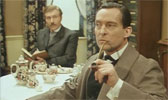
Polls expose a curious public confusion between fact and fiction. Many in Britain insist Sherlock Holmes walked the streets of London as flesh and blood, while dismissing Winston Churchill as mere legend. Such blurring of reality and myth reveals how powerfully stories shape perception long after events fade.
We see the same dynamic play out in contemporary policy debates. Canadians celebrate an MRI scan that costs only a parking fee after seven months of waiting, as if this represents some triumph rather than a rationed system’s quiet cruelty. The satisfaction with mediocrity masks the invisible costs borne by others denied timely care.
Political figures receive similar mythic treatment. John Tory garners praise as the ideal conservative leader despite a record of equivocation and electoral failure. Talk of principles clashes with actions that mirror liberal instincts, leaving voters with no clear choice.
Meanwhile, advocates for human rights commissions invoke ‘hatred kills’ to justify speech restrictions, citing tragic cases while omitting inconvenient details like the ideological motives behind certain crimes. The impulse to control expression under the guise of protection echoes ancient myths used to maintain power.
Ideas endure far longer than the individuals or events that spawn them, whether drawn from ancient legends or modern political narratives. Distinguishing the symbolic from the factual remains essential in every age. Only in this way do we discover what is Just Right.
Sorry, the comment form is closed at this time.