009 – Lost / Unions / Global warming and the carbon market / Sicko

 Comments Off on 009 – Lost / Unions / Global warming and the carbon market / Sicko
Jun 142007
 

Lost


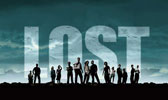
We delve into the enigmatic world of the TV series Lost, proposing that it transcends linear storytelling and serves as an allegory for group therapy in a psychiatric setting. The island symbolizes an institution where troubled characters confront their inner demons, with “the others” representing doctors and administrators, and deaths signifying cures. This interpretation explains the show’s mysteries, from the black smoke as encroaching reality to flashbacks revealing real-life traumas, and it highlights a shift in television toward thought-provoking narratives that challenge viewers.

Shifting focus, we examine Canada’s manufacturing woes amid global trade pressures from the US, Japan, and South Korea. Union demands and high labor costs—$75 per hour for Big Three autoworkers versus $45 for Toyota—undermine competitiveness, as evidenced by Ford’s recent quality wins in JD Power ratings failing to offset these disparities. Strikingly, from 1996 to 2005, Canada lost 208 days to labor disputes per metric, far exceeding OECD and UK averages, deterring investment. The rising Canadian dollar, fueled by US war expenditures, exacerbates this, while government hybrid incentives spark counterproductive rebates from competitors like Honda. Environmental regulations, high insurance, gas prices, and Ontario’s minimum wage hikes to $10.25 further strain the sector.

In education, Thames Valley School Board’s $9 million shortfall from declining enrollment underscores monopoly inefficiencies, where 80% of costs are salaries yet crises persist regardless of student numbers. We touch on the University Students’ Council’s new ethics codes post-spoof controversy, a lesson in humor’s absence, and Europe’s carbon markets, where free permits yield utility profits but burden consumers—another green tax scheme.

Finally, we critique Michael Moore‘s Sicko, which ignores Canada’s doctor shortages and champions socialized medicine that demands police-state controls to function, enslaving professionals while fostering a “me, me, me” blame game. True care thrives in markets, not monopolies. As always, pursuing freedom and reason keeps everything just right.

004 – Left-Right Clash Ignites Eco Fury

 Comments Off on 004 – Left-Right Clash Ignites Eco Fury
May 102007
 

Smokestacks


We find ourselves increasingly frustrated with the state of television programming, where promising shows like Drive vanish abruptly, and erratic scheduling leaves viewers disoriented. As we noted on the show, networks’ avoidance of reruns in favor of long hiatuses only exacerbates the confusion, a sentiment echoed by columnist Bill Harris. Even Lost, with its meandering plot and ratings woes, prompts us to question whether creators risk alienating audiences by shifting genres midstream—much like our anecdote about a family member rejecting Star Trek upon realizing its sci-fi essence.

We also touched on the ongoing saga of Marc Emery, whose advocacy for marijuana legalization drew thousands to Toronto, reminding us that true liberty often demands personal sacrifice against unjust laws. Turning to gas prices, we dismantled the left-wing think tank’s claims of consumer rip-offs, emphasizing that prices reflect supply and demand, not arbitrary “justifications.” Their call for regulatory regimes ignores basic economics: the market is us—producers, consumers, and retailers alike—safeguarding resources through voluntary exchange, not government fiat.

At the heart of our discussion was a reorientation of left and right ideologies, tracing back to Plato’s totalitarian mysticism versus Aristotle’s rational objectivity. We contrasted left-wing tendencies toward force, group rights, and statism with right-wing values of voluntary choice, individual justice, and freedom. This framework illuminates current debates, including a lively exchange with caller Marcel on environmental concerns. While we acknowledge pollution as a valid issue, we challenged the hysteria over CO2 and global warming, pointing out that industrialization, not its demonization, drives cleaner solutions. Caller Justin’s support reinforced our view that rationality must prevail over emotional deflection.

In the face of symbolic absurdities like bans on light bulbs and plastic bags—mere distractions from real progress—we urge a return to principled thinking. There is an enduring need for balance. Ultimately, navigating these chaos requires perspectives that are Just Right.

003 – Global Warming: Snow Job or Inconvenient Truth?

 Comments Off on 003 – Global Warming: Snow Job or Inconvenient Truth?
May 032007
 

003_Drive_168x100


The rapid cancellation of promising television series like Drive, starring Nathan Fillion, serves as a stark reminder of the flaws inherent in the ratings-driven system that dominates network decision-making. In a recent broadcast, we drew attention to how erratic scheduling, poor time slots, and direct competition with established hits doomed this intriguing program from the outset, much as it did with classics like the original Star Trek and Fillion’s earlier Firefly. Quality entertainment, we argued, cannot be solely measured by instantaneous viewer counts, which prioritize advertiser interests over creative merit and audience discovery.

Shifting to economic realities, we examined the persistent complaints surrounding rising gasoline prices, attributing them not to corporate greed or collusion, but to fundamental principles of supply and demand. Misconceptions abound, with many callers and commentators demanding price controls or boycotts—measures that would only exacerbate shortages by discouraging production. No new refineries have been built in North America for over three decades, yet our demand continues to rise, creating inevitable upward pressure on costs. Adjusted for inflation, gasoline remains a remarkable bargain when compared to everyday commodities like bottled water, underscoring the extraordinary efforts required to extract, refine, and distribute this essential resource.

Finally, we critiqued the prevailing environmental frenzy, particularly Al Gore‘s influential documentary An Inconvenient Truth, which we described as propaganda promoting government control over industry and individual choices. Contradictions in Gore’s data on CO2 emissions, exaggerated claims of scientific consensus, and the politicization of climate issues through fear and moral appeals were highlighted as evidence of a deeper agenda hostile to human progress and capitalism. True environmental stewardship aligns with rational advancement, not collectivist restrictions. Achieving this perspective requires rejecting alarmism and embracing free-market principles in a manner that’s just right.